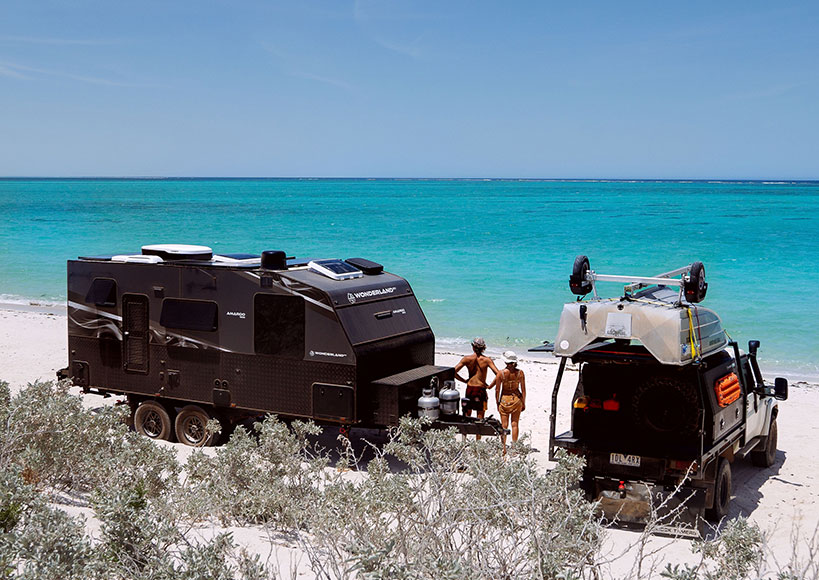




Travelling the great outdoors is a bucket list adventure for almost everyone…getting into the depths of the great Australian Outback is another level of adventure. When you head off-grid the first thing people ponder over is; ‘do I have enough power to keep the food cold?’ The most common problem that brings caravanners back into civilization is lack of fresh water, not power.
Carting water for your off-grid adventure can be done in a couple of different ways. Your caravan will normally have a water tank fitted with small caravans having a 50-70L water tanks while some large family vans can store 200-300L of water with multiple tanks. These generally come in the form of polyplastic, fitted to the underside of the caravan’s chassis and plumbed in through the floor to the sink and bathroom.
.jpg)
How Much Water Do I Really Need?
Whether you are heading off-grid for the weekend or off on a big adventure for weeks, knowing how much water you need is imperative to keep the trip running smoothly. When it comes to knowing how much water you need, it will all be based on how much you can safely carry and how much you are willing to use…or in this case not use.
As an average, each person would comfortably use 20-30L of water per day if only using it for drinking, cooking and very minimal showering and kitchen clean ups. See the below table to get more of an idea on where you and your family sit for water usage and needs. Remember the more frugal you can be, the longer you can stay off-grip.
Choosing The Right Caravan Water Tank Size

| Type of Caravaner: | Type of Use: | Litre Usage (approx) Per Person Per Day: |
|---|---|---|
| Frugal Water Use | Drinking, cooking and hand washing only. | 10-15L |
| A Comfy Traveller | Drinking, cooking, handwashing, cleaning, very short shower or sponge bath. | 20-30L |
| The Benchmark | Drinking, cooking, showers, toilet flushing, cleaning with occasional washing machine use on eco mode. | 40-50L |
How To Choose The Right Water Tank?
Now you can gauge how much water you might need for your standard of living. It's time to look at the different types of tanks you can use.
Most caravan water tanks are manufactured using one of the following materials:
• Polyethylene plastic
• PVC and Nylon
Polyethylene, with its light weight and impressive flexibility, is one of the most commonly-used water tank materials.These tanks are 100% food grade approved making them safe for your water to drink, cook and bath with. They can also be manufactured in many different shapes and sizes, making them the perfect choice for caravaners. You can also get a huge range of portable water tanks in Polyethylene, perfect for carting more water in your tow vehicle to use on your adventure. Check out the range of water tanks here from fully installed tanks, to tanks that fit in the footwell of your back seat or portable tanks for storage in the back of your tow vehicle.
PVC and nylon water tanks are soft-sided, bladder system tanks. Although the polyethylene tanks are generally considered more durable, PVC and nylon present a convenient and easily portable option. These are a great option to cart extra water with you in your tow vehicle and can pack away small when emptied.
.png)
Choosing your size isn’t just about how much water you want to use. You need to factor in two very important issues
-
What is the physical size of the space you can install your water tank? All caravans are different when it comes to the distance between your caravan bodies frame and design of the chassis. You will need to get your tape measure out and calculate the space you have to fit your tanks. Triple check your mounting points to screw the brackets into, keeping in mind where the tanks water inlet and outlet positions are for your plumbing. Always plan before purchasing.
-
Checking your weight limits. Every litre of water adds a kilogram of weight to your towing payload. It is imperative you consider your legal towing weight when choosing the size of your tanks. Placement matters just as much as capacity, incorrect placement of a water tank can create dangerous weight imbalances on the road causing uncontrollable sway and stability on the road. If you are upgrading or adding another water tank to your van, always triple check your permissible weight limits to ensure you are legal and safe.
How To Install A Caravan Water Tank:
When installing a water tank under your caravan consider where your plumbing fittings are located and avoid placing the tank near exhaust pipes or moving parts. Make sure to check your clearance to avoid hitting any obstacles.
Installing your caravan water tank usually requires mounting brackets and three fittings as follows:
-
Inlet (for incoming water): Use a food grade water hose to fill your tank. Fill your tank gradually, allowing air to escape and preventing the tank from pressure build-up. This is where a breather comes in handy.
-
Breather: A breather will help prevent Airlock. This will make the tank appear full when it is not. Position the end of your breather hose higher than the water inlet point to allow the whole system to breathe.
-
Outlet: Outlets can be connected directly to a manual pump, a gravity fed tap, or an automatic 12v pressure pump to access the water stored in the tank.
Check out our full selection of water tank fittings and accessories.
Maintenance Tips For Caravan Water Tanks:
Keeping your water supply clean is the first step when it comes to maintaining a safe and reliable water system. Especially after those long outback journeys when all that red dirt finds its way into everything.
Food Grade Hoses: Never fill or clean your water tank with a garden hose. This will prevent your water from tasting or smelling like plastic. This taste can remain in your water tank even after you have drained it. Always use a hose designed for drinking water.
Cleaning: Clean your freshwater tank using a cleaning agent such as the Camec Tank Clean. This product is great for removing any bacteria, mould, or even algae. Don't store water in a dirty tank. It's a good idea to freshen up your tank after it's been in storage before a trip. For grey water tanks, products like Camco Grey Water Odor Control help prevent smells. For fresh water tanks, Camco Taste Pure Water Freshener keeps water clean and fresh, preventing algae, slime, or off tastes
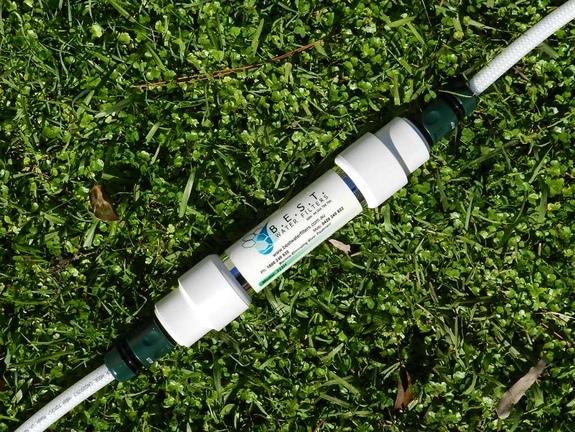
Filters: Water filters will improve the quality of water and provide that extra peace of mind that your water is safe to drink. The B.E.S.T Water filter is a great choice and can be installed under the bench to connect to a specific drinking tap. They are super easy to clean and install and have a life of 5,000 litters.
Monitoring Your Water Tanks
Keeping track of your water levels is essential for a hassle-free caravan experience. Tank-level indicators make it easy to see how full your tanks are, so you’re not left guessing. Even without a gauge, regularly checking and estimating usage can prevent overflows and ensure you always have enough water on hand. For longer trips, it’s a good habit to monitor your tanks daily, helping you plan refills, slow down usage and avoid any interruptions to your journey.
If your caravan doesn’t have a water monitoring system already pre installed, check out the range of easy to fit water monitoring systems by Topargee here with multiple options it is an easy and quick way to measure water going in and out of your tanks.
Transferring Water From Portable Tanks
If you have the ability to carry water in your tow vehicle then Adventure Pumps have you covered. They are an Australian company who discovered the problem of transferring water from their portable water tanks to their fitted caravan water tanks with the Adventure Pumps Water Transfers Kits. Simply connect to 12v power, pop the pump in your portable tank and transfer the water from your car to your caravans tanks ready for the next shower! The perfect solution to keep your caravan water system operating for longer off-grid.
Caravan Water Tank FAQs
How long can water sit in a tank before it goes bad?
-
Fresh water can typically be stored in a tank for 6 to 12 months before needing to be replaced, though if the tank is kept clean and protected, it can last even longer. Ideally, the tank should be stored in a cool, dark location to maintain water quality.
Should caravan water tanks be full when travelling?
-
Travelling with full tanks will help with stability but travelling with empty tanks will reduce weight and fuel consumption. You can do either, the best advice is to not travel with half full tanks as the water moving around in the tanks can cause the caravan to sway more.
If you need assistance finding the right caravan water tank for you and your set up, feel free to contact our friendly team on 1800 787 278 for expert advice and recommendations, or explore our full range of caravan water tanks here.
DISCLAIMER* Please note, this advice is general in nature and we strongly recommend consulting the product manual and where relevant, a professional installer.